
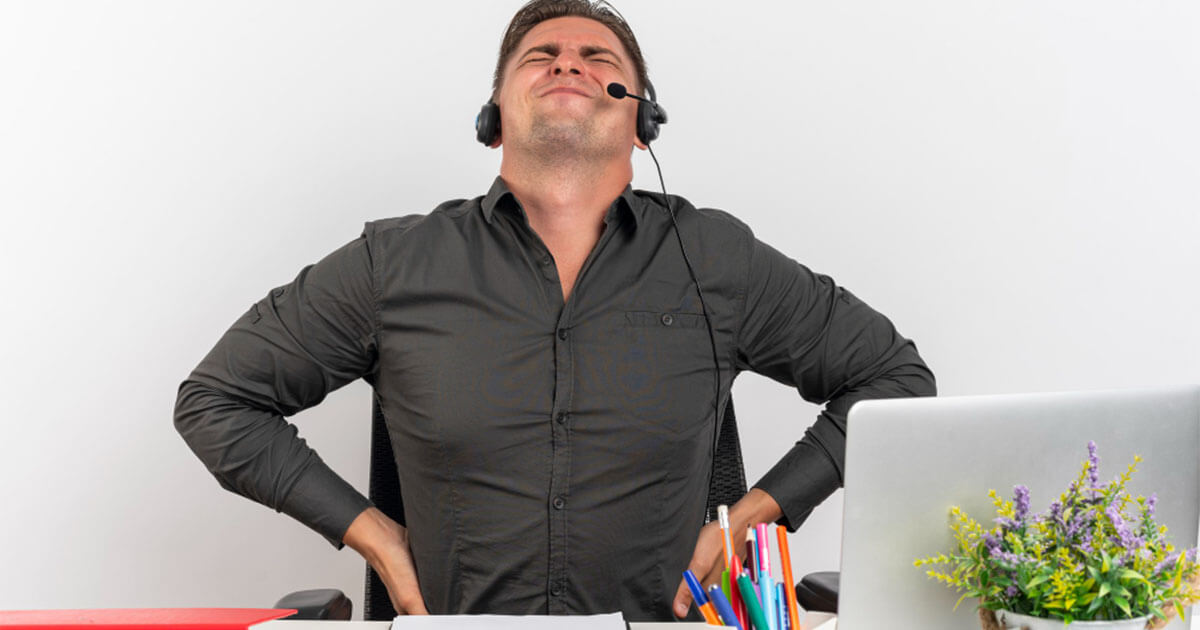
Have you ever found yourself wondering, “Back pain? But I haven’t lifted anything heavy… How did this happen?” You’re not alone. Many people experience sudden stiffness, tightness or aching in their back after long hours at work or while staring at a screen. The surprising truth is that your back pain may have less to do with physical strain and more to do with stress.
In our busy and demanding lives, stress builds up in the body, leading to tense muscles and poor posture, often without us realising. This constant tension puts pressure on the spine and surrounding muscles, causing discomfort. This is why so many people search for “fix posture near me,” often without recognising that stress might be the underlying cause of their back issues.
Let’s see how stress impacts your back, changes your posture, and offers tips for relieving tension and supporting spinal health.
Understanding How Stress Affects Your Back
Stress can impact your back, so it’s important to know how your body reacts to it. When you face stress from work, relationships, or life changes, your body releases hormones like cortisol and adrenaline. These hormones prepare you to respond to danger, known as the “fight or flight” response. However, this can be a problem when stress becomes ongoing.
Stress causes muscle tension, which can result in soreness and discomfort, especially in your back and neck. If your body stays ready to react for long periods, your muscles may stay tight, leading to stiffness and pain. Also, stress can change how you hold your body. When you feel anxious, you might hunch over, clench your shoulders or lean forward, which puts extra stress on your spine.
Common Posture Problems Caused by Stress
1. Rounded Shoulders:
Stress can cause you to hunch your shoulders and round your upper back. This can make it harder to breathe and circulate blood, which can increase your stress.
2. Forward Head Position
When you lean forward during stressful times (like while using your phone or computer), it creates a forward head position. This can put extra pressure on your neck.
3. Lower Back Pain
Tight hips and hamstrings, along with muscle tension from stress, can cause your lower back to become misaligned.
4. Tension Headaches
Poor posture can create strain in your neck and upper back, leading to headaches that can make your stress worse.
Ways to Reduce Stress and Improve Posture
Dealing with stress and its effects on your back can be challenging, but there are simple strategies to help you relax, improve your posture, and feel better overall.
1. Mindfulness and Relaxation
Use mindfulness and relaxation techniques to lower stress and ease physical tension. Activities like meditation, deep breathing and yoga can calm your mind and help release tension. Try to take a few minutes each day to practice these techniques.
2. Exercise Regularly
Exercise is a great way to manage stress and improve posture. Working out releases endorphins, which can lift your mood and reduce anxiety. Focus on exercises that strengthen your core, back and shoulders for better alignment. Swimming, walking or joining a group class can offer fitness benefits and a chance to socialise.
3. Make Ergonomic Changes
Check your workspace and adjust it to avoid straining your back and neck. Your chair should support your lower back, your monitor should be at eye level and your feet should be flat on the ground. Consider using ergonomic tools like lumbar rolls or standing desks to enhance comfort and support better posture throughout the day.
4. Do Stretching and Mobility Exercises
Add stretching and mobility exercises to your routine. Simple stretches for your neck, shoulders and back can relieve tension and improve flexibility. You can do these stretches at your desk or during breaks, making them easy to fit into a busy schedule.
5. Seek Professional Help
If you are experiencing persistent back pain due to stress, consider consulting a professional. A chiropractor or massage therapist can offer treatment and guidance on proper movement techniques and exercises tailored to your needs. Searching for “chiropractic services near me” can help you locate qualified specialists in your area who can assist you.
6. Make Healthy Lifestyle Choices
A healthy lifestyle can help reduce stress and improve back health. Eat a balanced diet, drink enough water, sleep well and limit alcohol and caffeine. These choices can improve your overall well-being and energy, making it easier to face daily challenges with a positive attitude.
Final Thoughts
If you’re experiencing persistent back pain or posture issues, seeking professional help can make a world of difference. At Westleigh Chiropractic, we’re dedicated to providing personalised and natural spinal care for patients of all ages. With decades of experience, our team focuses on relieving back and neck pain, improving posture and supporting your overall well-being through gentle, evidence-based chiropractic care. Don’t hesitate to reach out for tailored treatment plans that suit your specific needs. Your path to a healthier back begins here!